
Reviewed by Dr. Jen Caudle
Board-Certified Family PhysicianPublished on February 18, 2026
Key Takeaways
Fevers Are a Natural Immune Response that can help the body fight infection. Fever CAN Be Treated: Untreated fevers can lead to discomfort, dehydration, and fatigue.
TYLENOL® Is the #1 Pediatrician-Recommended Brand for Fever Relief: When used as directed, Children’s TYLENOL® can start reducing fevers in as little as 15 minutes.
Know When to Call a Pediatrician: High or prolonged fevers, unusual behavior, or discomfort may signal it’s time to talk to your child’s doctor.
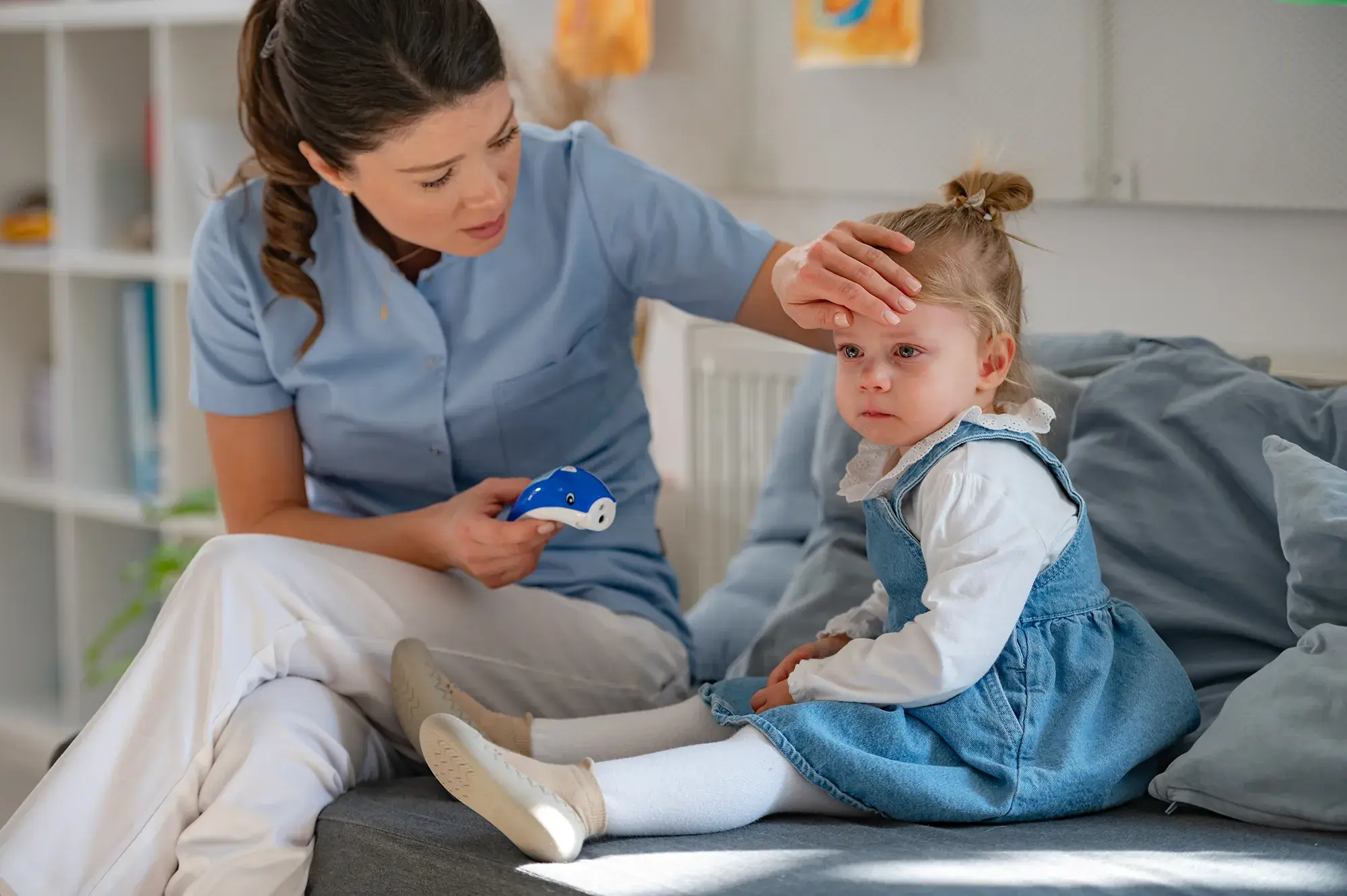
Parents have all experienced it. You’re sound asleep when suddenly you hear your child crying out for you. Between sobs, they tell you they don’t feel good. You reach for their forehead — and you suspect they have a fever. You check your child’s temperature with an approved method, and you realize instantly: they have a fever.
It’s easy to feel a rush of worry as you try to figure out what’s causing it — and what to do next.
“When it comes to fevers in kids, it’s a totally different ballgame,” said Dr. Jen Caudle, board-certified family physician. “Some kids will act normally while running a fever, while some won’t — and treatment can vary depending on your child’s age.”
We understand how unsettling it can feel when your child’s temperature climbs. That’s why we’ve partnered with Dr. Caudle to give parents science-backed insight into why fevers happen and why managing them safely matters — with help from TYLENOL®, the #1 pediatrician-recommended brand for fever relief.
Should you treat your child’s fever? If your child is drinking well and not bothered by the fever you may not need to treat the fever. Always treat the child not the number. If your child doesn’t feel well, your treatment goal should be to help him or her feel more comfortable.
The Risks of Leaving Your Child’s Fever Untreated
Fevers in kids are a natural part of fighting infections but leaving them untreated can sometimes do more harm than good.
“Fevers are your child’s immune system doing its job,” explained Dr. Caudle. “But that doesn’t mean you should ignore them. Treating a fever may help kids rest, stay hydrated, and recover faster. Leaving it unchecked can make them more uncomfortable and, in some cases, put extra strain on their little bodies.”
While fevers alone are rarely dangerous, untreated high or prolonged fevers can lead to dehydration and fatigue. For children with certain medical conditions, like heart or metabolic issues, managing fevers promptly is even more important.1
“It can be safer and more effective for your child to take TYLENOL® than to leave pain or a fever untreated,” said Dr. Caudle. “Leaving fevers untreated can lead to unnecessary discomfort and sometimes make recovery harder.”
That’s why pediatricians often recommend using medicines like TYLENOL®, which are proven safe and effective when used as directed, to help lower fever.
Understanding Fever in Kids: What’s Actually Going On?
When your child’s internal body temperature rises above 100.4 °F, it’s usually their immune system at work. Most often, fevers in kids are triggered by an illness or infection, including colds, bacterial infections, or the flu.
“No matter what may be causing your child’s fever, I find it helps parents to ground themselves in the fact that it’s completely natural when they’re sick,” said Dr. Caudle. “It’s just their developing immune systems battling the bad germs.”
Once you understand what’s happening, it’s easier to know when to take action and when to simply help your child feel better while their body heals.

How to Help Kids Feel Better
Rest, fluids, and lightweight clothing can help your child stay comfortable during a fever, but sometimes those simple steps aren’t enough. Sometimes, you may consider a fever reducer to help lower your child's temperature. Children's TYLENOL® can start to reduce fever in as little as 15 minutes.
“In my practice, I often talk with parents about fever in kids,” said Dr. Caudle. “I remind them that acetaminophen, the active ingredient in TYLENOL®, when dosed properly, is one of the safest and most effective options we have for treating children’s fevers.”
If your child is under two years old, speak with your pediatrician before giving them TYLENOL®. Otherwise, follow the dosing instructions on the label or use our Children’s and Infants’ TYLENOL® Dosing Guide.
When to Talk to Your Pediatrician About Your Child’s Fever
Even when you do everything right, fevers in kids can still be nerve-wracking. Every child is different, and no one knows them better than you.
Dr. Caudle suggests consulting your pediatrician if:
Your baby is 0-3 months old and has a fever of 100.4°F or above
Your child is under 2 years old and the fever has lasted longer than one day
Your child is older than 2 years old and the fever has lasted more than three days
Your child has repeated fevers above 104°F
Your baby seems unusually fussy, drowsy, or cannot be soothed
For more detailed guidance, visit our When to Call the Doctor page.
Feel Confident in Caring for Your Child with a Fever
Caring for your child should never come with second-guessing what’s best. Treating a fever with rest, hydration, and doctor-recommended medicine like TYLENOL® can help lower your child's temperature and manage minor aches and pains. TYLENOL® has been counted on by families for more than 70 years to provide gentle, effective fever relief.
“Most of the time, treating a fever is as simple as taking TYLENOL® and getting rest,” said Dr. Caudle. “But leaving fevers untreated can make things worse for some kids. Managing fevers safely is part of caring for your child’s overall health. Make sure to dose TYLENOL® according to your child’s weight as directed on the product label or directed by your child’s doctor. Also, talk to your child’s doctor if you have questions or if your child’s fever or any other symptoms persist.
TYLENOL® is here to give parents confidence grounded in science, supported by decades of trust, and guided by the same care you give your kids every day. Relief trusted by doctors and chosen by parents should always be within reach.